
Table of Contents
Quick Summary
- GhostBSD is switching from Xorg to XLibre to maintain a stable desktop experience.
- The project lead has lost confidence in Xorg due to its lack of progress.
- Because current desktops like MATE are not ready for Wayland, XLibre provides a modernized path forward for the X11 protocol.
The Official Move to XLibre
GhostBSD is a desktop operating system based on FreeBSD.
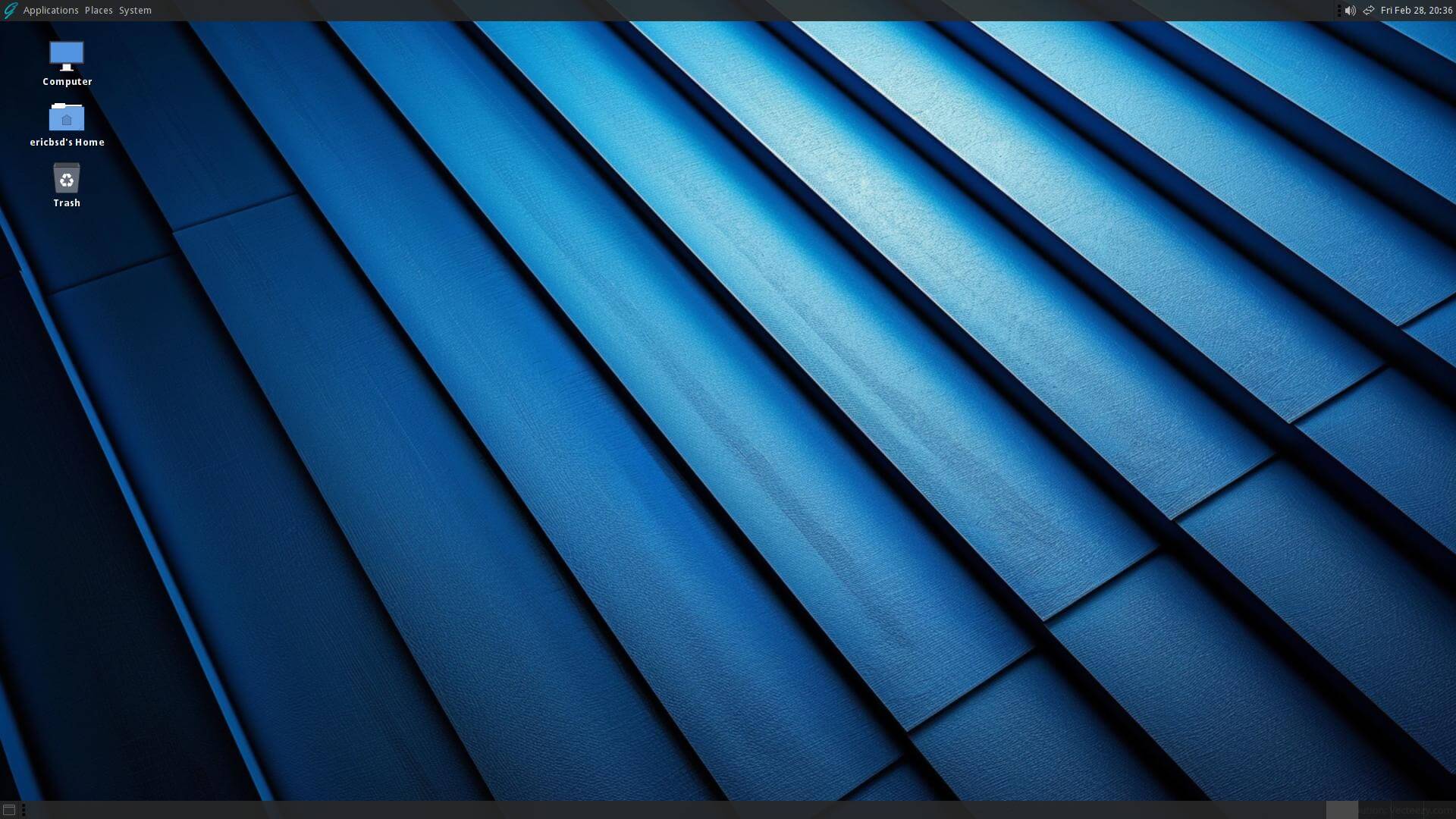
The project founder, Eric Turgeon, has officially decided to move the system to a new display server called XLibre.
This change will be the default for the upcoming 26.01 release.
Why GhostBSD Ditched Xorg for XLibre (Not Wayland)
Eric Turgeon initially evaluated XLibre as a potential alternative. After testing it in the GhostBSD ports tree, he decided to make it the standard server. He is even willing to delay the 26.01 release by a month or two to ensure the transition is smooth.
The decision became final after Xorg developers began reverting important code changes. Eric views these actions as a "red flag" that ignores the needs of the community.
He believes XLibre is a safer technical choice for the long-term health of the project.
Update:
After seeing this post on Twitter, the project leader Eric clarified that they can't move to Wayland for the moment. This doesn't mean GhostBSD will never ship Wayland. Things may change in future.
What is XLibre?
XLibre is an independent fork of the X.Org Server that started in June 2025. The contributors want to clean the code while keeping it compatible with old apps. It is a merit-based project that is not controlled by large corporations.
The server already includes several improvements. It enables "TearFree" display by default to stop screen flickering. It also supports atomic modesetting for better hardware communication. These features help X11 remain a viable choice for modern users.
Related Read:
Evaluating the Gershwin Desktop Environment
As GhostBSD moves to XLibre, it is also looking at a new desktop called Gershwin. Joe Maloney brought this project to GhostBSD. It is based on GNUstep and is designed to be welcoming to people switching from other systems.
Gershwin is very lightweight. The entire system, including the window manager, uses less than 50MB of storage. It offers a global menu, a terminal, and a dedicated workspace.
While it currently looks similar to macOS, themes are still a work in progress.
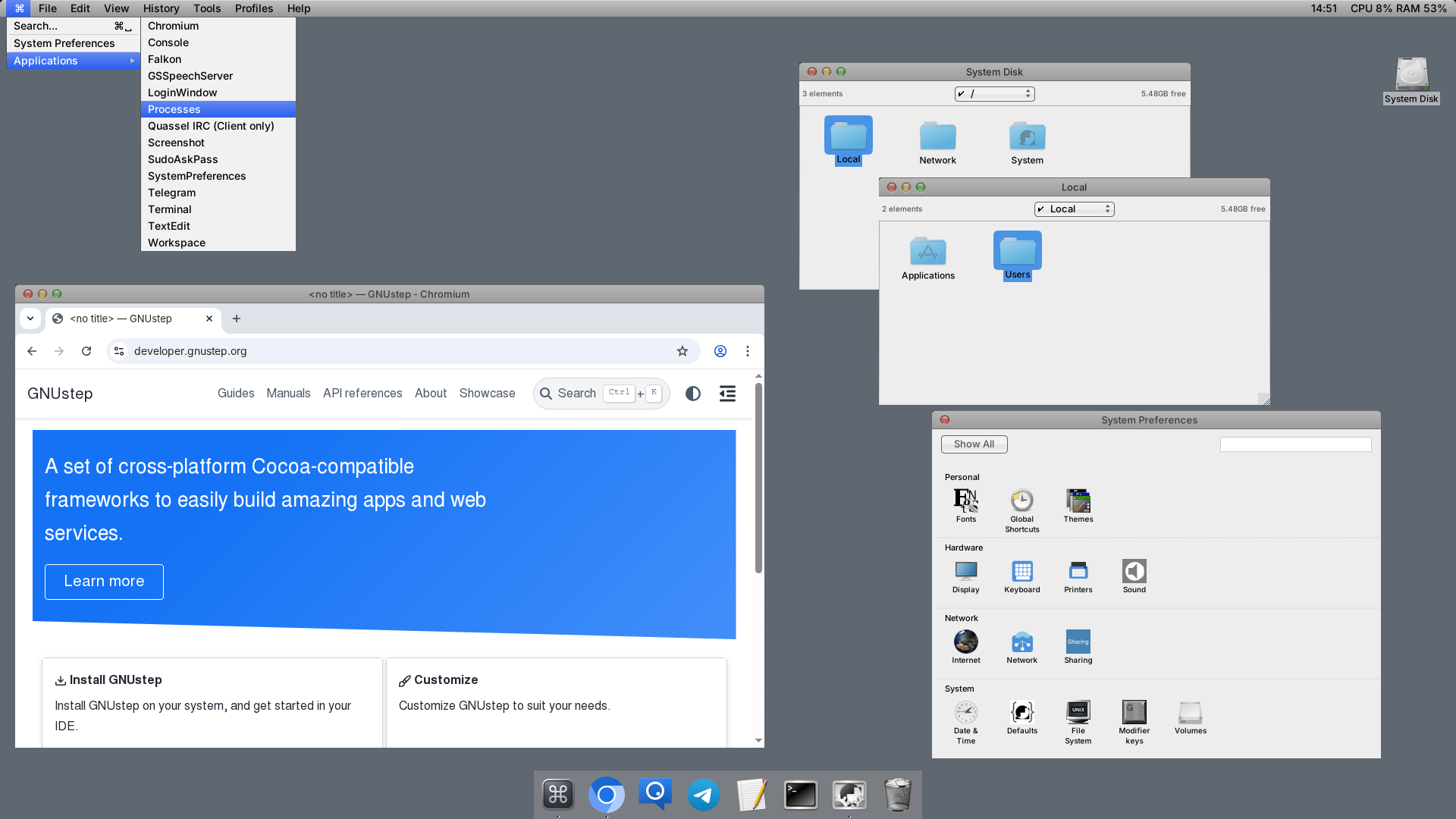
Eric sees Gershwin as a possible future replacement for MATE, especially since Gershwin is built to work with X11.
Limitations and Risks
This transition has challenges. XLibre is a young project. Maintaining a custom display stack adds more work for Eric, who already performs most of the development for GhostBSD.
The biggest risk involves software toolkits. The developers of GTK 5 have announced they will not support X11 at all. This creates a crossroads for GhostBSD.
If the project stays on X11, it may eventually need to move away from GTK-based desktops like MATE and focus entirely on Gershwin DE.
GhostBSD Needs Your Help
The GhostBSD project has grown beyond what one person can reasonably manage. As a result, Eric is actively looking for ways to delegate tasks and distribute responsibilities. Without this shift, the project's long-term survival remains uncertain.
If you have experience with BSD ports, system documentation, or desktop environment development, the project needs your help. Success depends entirely on community support and shared ownership of the work.
Conclusion
Eric Turgeon has always believed that GhostBSD should value stability over industry hype. That's why the move to XLibre makes perfect sense. It's not about chasing trends. Instead, it's a calculated technical decision that keeps the desktop modern and functional.
By choosing XLibre, GhostBSD avoids the stagnation plaguing Xorg while maintaining the rock-solid stability users expect. Moreover, the potential move toward the Gershwin desktop shows something even more interesting. The project is actively planning for a future independent of mainstream Linux trends.
So what do you think about this approach?
While the Linux world rushes toward Wayland, GhostBSD is charting its own course with XLibre and potentially Gershwin.
Is this the smart path for desktop BSD, or should they eventually follow the Wayland trend? I'd love to hear your perspective in the comments.
Resource:
